 |
|
|||


 |
|  |











 |
 |  |
|
Biodiesel Crops Hi-tech Training Package Biodiesel CropSphere 2024 announced to prioritize Better Biodiesel Crops for Sustainable Future Global Jatropha Hi-tech Integrated Nonfood Biodiesel Farming & Technology Training Programme
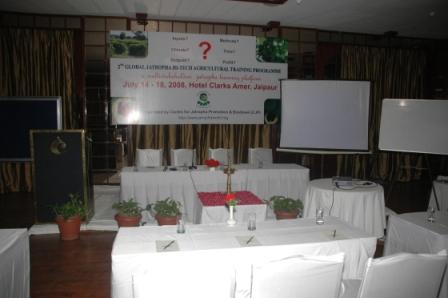
In the biofuels business, establishing the feedstocks for advanced biofuels is crucial for commercial development, given that the largest cost associated with production is for the feedstock. As such the Biodiesel CropSphere 2024 shall make Investors more comfortable and knowledgeable for second-generation nonfood biofuel feedstocks to select right technology that will be a make-or-break factor for the success of future second-gen biofuel. If they have a strong story and the right technology including a clear proof of concept, roadmap to profitability, strong strategic partners and adequate and inexpensive access to feedstock, there is definitely appetite out there and by attending the programme they can equip themselves to eliminate "some week elements in their business model just to ensure the Future path to profitability. The Advanced Biofuel Center (ABC) intensified its collaborative research approach with regards to perennial oil seeds bearing tree like Pongamia Pinnata, Moringa oliferia, Jojoba, simarouba, etc. in combination with annual nonfood oil crops like castor, flax, safflower, camelina, etc to have more oil yield per ha and to improve their product. The ABC’s mission is to perform cutting-edge plant science research in genetics, breeding and horticulture, and further develop technologies to allow for the economic commercialization and sustainability of energy farms globally. In essence, ABC scientists are continuously working on enhanced genetics, agronomics and horticulture sciences to drive new varieties, more knowledge around the plant’s nutritional requirements and more science-based processes for the care and custody of the plant and have achieved reliable and scalable results in energy farming. Even a superior genotype variety planted in inadequate soil and improperly cared for, will be unable to reach its potential and will create dissatisfied stakeholders. If the development focus is properly balanced, the species will go through a series of improvements to continually enhance the characteristics. Improvement in yield, reduction in inputs or resistance to pests and diseases is an ongoing process which needs time. Jatropha is expected to be the first plant commercialized utilizing modern science. The improvements with applied science will accelerate its rapid improvement. ABC to provide the right steps to start the successful business ensuring that this crop is planted in the right way and with due cares to what’s possible in terms of sustainable farming techniques. Based on its proprietary knowledge plant science expertise enhanced technology and extensive experience and by integrating technical and managerial issues ABC has developed dedicated biodiesel crops Agricultural Training package to deliver Competencies through Qualified trainers with a practical 'hands on' approach. ABC’s dedicated Biodiesel crops like castor, Mahua, moringa, pongamia, jojoba, simarouba are poised for commercialization as the newest, greatest biodiesel feedstock as these crops can produce the greatest amount of feedstock for the lowest input and cost. There are many promising crops on the horizon, but they need to be properly vetted scientifically. Good scientific research done by ABC’s scientists has shown that how oilseed crops grow best across different soil conditions and climates, and how they fit into existing production systems determining what consequences might result from growing these crops in terms of sustainability Worldwide about 600 million hectares of land that has fallen out of agricultural production, is semiarid and prone to drought ABC’s dedicated energy crops such as Pongamia Pinnata, Castor, Moringa, Jojoba, simarouba, Mahua can be grown on such land could dramatically increase biofuel crop production without competing for land used for food crops. Biodiesel CropSphere 2024 is to be held at Jaipur, Rajasthan from September 25-29, 2024. ABC has brought together the best expertise and brightest brains to discuss and analyze the present and future dynamics of Nonfood biodiesel crops. Attendees will be able to increase their knowledge about dedicated fuel crops and alternative energy and also learn about other most important nonfood biodiesel Register now and secure your position in the world of biodiesel business For further details and obtaining registration form, kindly Contact: Director (Training Division) T : ( +91) 141 2335839 M‐ (+91) 9829423333, E‐mail: jatrophaplan@gmail.com |
 BACKGROUND
© 2004- 2025 ABC-Advanced Biofuel center ,, All Rights Reserved |