 |
|
|||


 |
|  |











 |
 |  |
   BIODIESEL BUSINESS ACADEMY
Building a Better Tomorrow
ADVANCED BIOFUEL CENTER
Building a Sustainable Biodiesel Industry
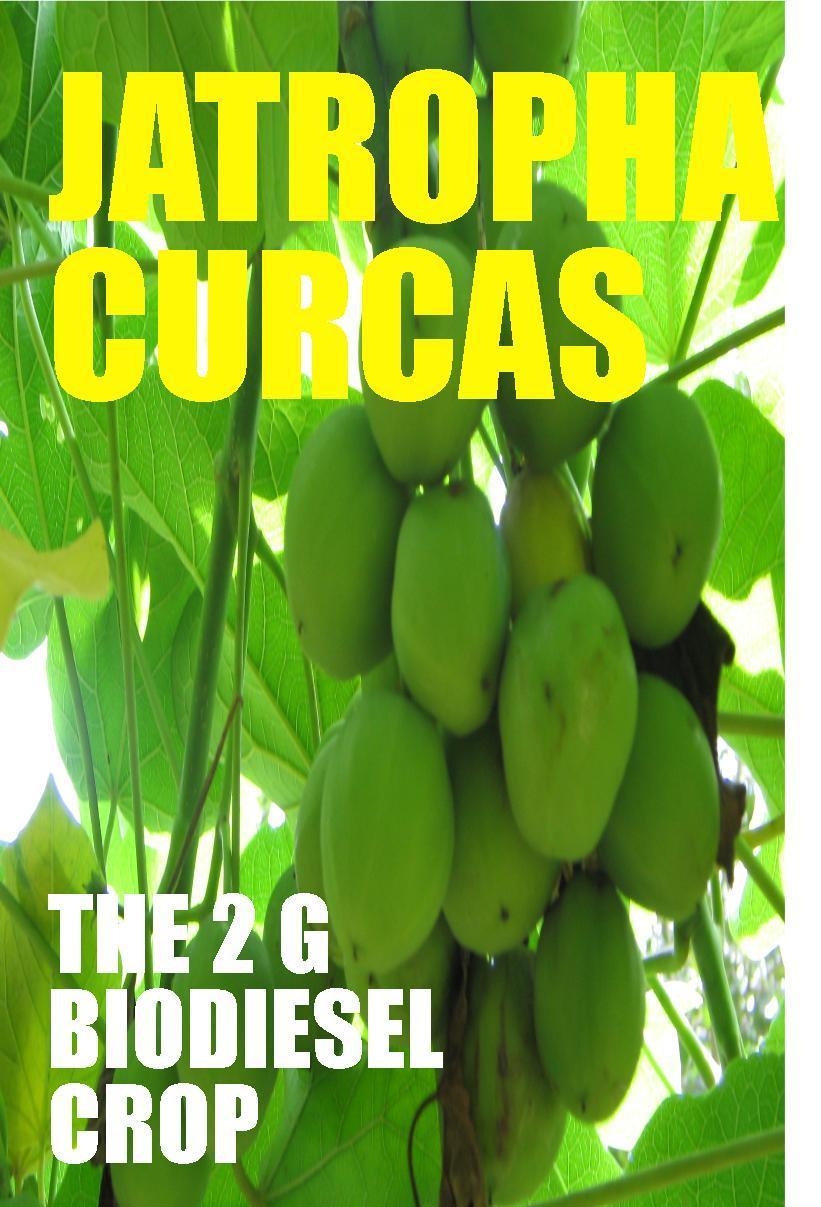   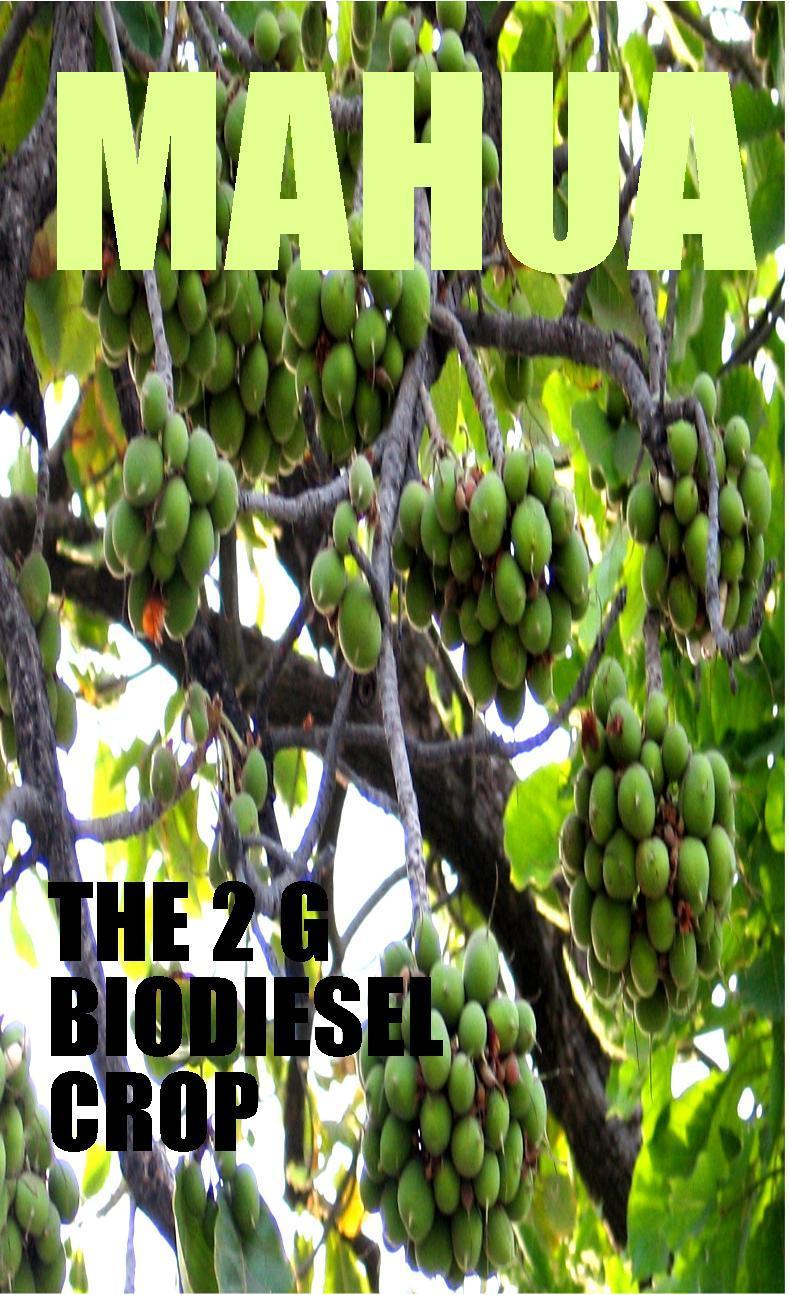
A comprehensive research and development program for the development of Nonfood biodiesel feedstocks has been initiated at Advanced Biofuel Center and great progress has been made. The ABC, a platform for multidisciplinary multifeedstocks research into all aspects of nonfood energy farming intensified its collaborative research approach with regards to perennial oil seeds bearing tree like Pongamia Pinnata, Moringa oliferia, Jojoba, simarouba, etc. in combination with annual nonfood oil crops to have more oil yield per ha and to improve their product. The mission is to perform cutting-edge plant science research in genetics, breeding and horticulture, and further develop technologies to allow for the economic commercialization and sustainability of energy farms globally Overview: Research and Development Programs
Jatropha: From wild to domestication to super domestication Our Business
Our Biodiesel Crops ABC’s new Nonfood Biodiesel crops like algae, castor, moringa, pongamia, jojoba, simarouba which are poised for commercialization as the newest, greatest biodiesel feedstock as these crops can produce the greatest amount of feedstock for the lowest input and cost. Good scientific research done byABC’s scientists has shown that how oilseed crops grow best across different soil conditions and climates, and how they fit into existing production systems determining what consequences might result from growing these crops in terms of sustainability. Apart from Jatropha, following of Nature's elite stock - true-bred, tried and tested form the part of programme agenda:
To start with one need extensive knowledge support, enhanced agronomy support, elite and improved inputs, expertise and effective management. Implementing its vast agronomic knowledge base and in-depth experience, ABC has proven highly successful in growing biodiesel crops………..more at Our Solutions We believe that nearly all Biodiesel and bio-based chemical applications will ultimately depend on high yielding, low-cost, low-carbon, scalable, reliable and sustainable sources of feedstock. We believe biodiesel feedstocks from our dedicated energy crops and field trials have the potential to become the common denominator in a broad array of bio-based products, including ethanol, butanol, jet fuel, diesel-like molecules and gasoline-like molecules, as well as electric power and heat, and can enable the development of larger-scale processing facilities given the high yield density and conversion efficiency of dedicated energy crops. Specifically, our dedicated energy crops have the following characteristics, which we believe will make them a critical component in the large-scale production of these bio-based products: High Yield Our dedicated energy crops are developed to produce high seeds or oil yields per acre. For advanced biofuels, bio-based chemicals and biopower, we believe our high yield density crops will facilitate the construction of larger processing facilities because more feedstock could be collected from a defined area of land around the facility. In turn, these larger facilities will benefit from economies of scale, resulting in lower production and capital cost per gallon produced. Dedicated to Biodiesel Unlike many other Biodiesel feedstocks, our dedicated energy crops are currently not intended for other uses and are typically grown exclusively to be harvested as part of the Biodiesel value chain, creating a stable supply that will appeal to owners of conversion technologies who will have invested significant capital in their infrastructure and will therefore require reliable and cost-effective feedstocks Suited to Marginal Land Our dedicated energy crops can grow in a broad range of environments, including those not well-suited for most food crops. For example, our all dedicated nonfood energy crop need substantially less water and fertilizer than sugarcane to grow to harvestable maturity. We are developing biotech field trials that provide salt tolerance, drought tolerance and greater nitrogen use efficiency. We believe that by facilitating the use of marginal land, our crops will create opportunities for landowners who previously could not use their land as productively. Scalable to Meet Demand Our energy crops are highly scalable, allowing us to match the production with growing demand as year by year increased yield of seeds is assured. Extensive Proprietary Portfolios of Germplasm Wee believe we are one of the only companies focused on dedicated energy crops with large portfolios of both germplasm and field-validated field trials. Our objective is to be the leading provider of dedicated energy crop technology, elite cultivar and expertise to the renewable energy industry .We plan to play a significant role in developing the second-generation biofuels and bio-based chemicals market, which we believe represents a significant opportunity. Our Pongamia Pinnata , Simarouba and Mahua products are specifically targeted at this market. Expand Our Business into New Markets We market our Nonfood Energy Crops brand as a symbol of quality, innovation and value across multiple biofuel, bio-based chemicals and biopower markets in a broad range of climates and geographies. We are continuing to develop innovative solutions using a broad range of technological tools, including genomics, biotechnology and proprietary bioinformatics in order to produce crop varieties with improved yields and other performance characteristics. Our Products New Potential for Next Generation Feedstocks CJP started commercial farming of Jatropha from wild selected seeds 1.0 in 2003 and now reached with improved enhanced Jatropha 3.0 with more oil and more yield. CJP scientists are continuously working on enhanced genetics, agronomics and horticulture sciences to drive new varieties, more knowledge around the plant’s nutritional requirements and more science-based processes for the care and custody of the plant and have achieved reliable and scalable results in Jatropha energy farming. Even a superior genotype variety planted in inadequate soil and improperly cared for, will be unable to reach its potential and will create dissatisfied stakeholders. The CJP’s goal is to triple Jatropha yields within 10 years, increase the oil content to 48 percent and in combination of other crops the target oil yield is 1500 gallon per ha. Further, to increase the quality of the oils and other products produced—while minimizing inputs including pesticides and fertilizers.
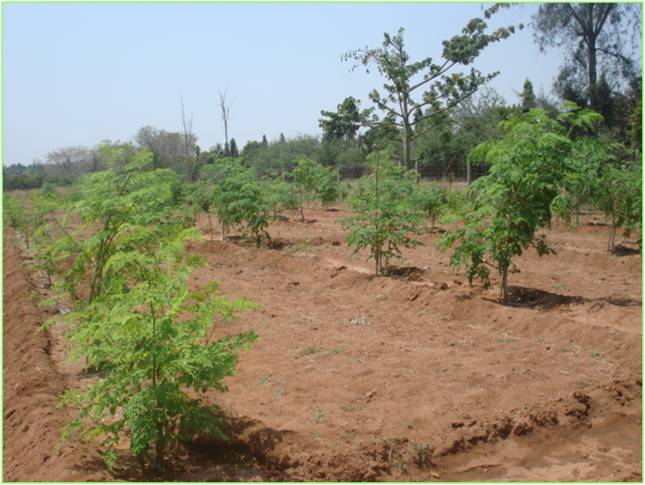
Enhanced And Improved Cultivar: The years of continuous research, experiments and in cultivating and breeding of Jatropha curcas and other biofuel crops, CJP was able to develop a systematic breeding and cultivar development strategy. Newly bred cultivars are extensively tested in multi-location trials and true to type seeds are being produced with high quality standard JCLMax3™ Elite HYV Jatropha Improved Seeds Through its JCLMax3 improved seed product line, ABC provides growers the highest yielding, most uniform and profitable Jatropha in the world. Improved seeds result in greater yield, uniformity and vigor while significantly reducing Plantation costs for growers. JCLMax3 improved varieties have been tested and developed for a range of climatic and soil conditions. Through its research and development program, ABC continues to expand the regions for which JCLMax3 improved seeds are available in more than 65 countries DI03SAP™ Elite HYV Pongamia Saplings We have developed DI03SAP the Process of cloning and maintaining an Elite sapling. It has been created from over a decade of research in horticulture and agriculture with the best characteristics of yield, survivability and longevity. Standred Package of Practices (SOP) enable DI03SAP sapling to enhance productivity to achieve greater yields over the lifetime of the plantation with the right crop inputs and management MOMAX3 Moringa seed variety and MOMAX3SAP™ Elite HYV Moringa Saplings We have developed MOMAX3SAP the Process of cloning and maintaining an Elite sapling. It has been created from over a decade of research in horticulture and agriculture with the best characteristics of yield, survivability and longevity. Standred Package of Practices (SOP) enable MOMAX3SAP sapling to enhance productivity to achieve greater yields over the lifetime of the plantation with the right crop inputs and management Identified Elite JOMAX3 Class 1 Jojoba rooted cuttings With Scientific advancement ABC has selectively bred certain high yielding jojoba plants and developed our identified high-yielding jojoba Rooted Cutting Plants for creating FAIL SAFE JOJOBA FARM High yielding CBMAX9 Hybrid Castor Bean Seeds
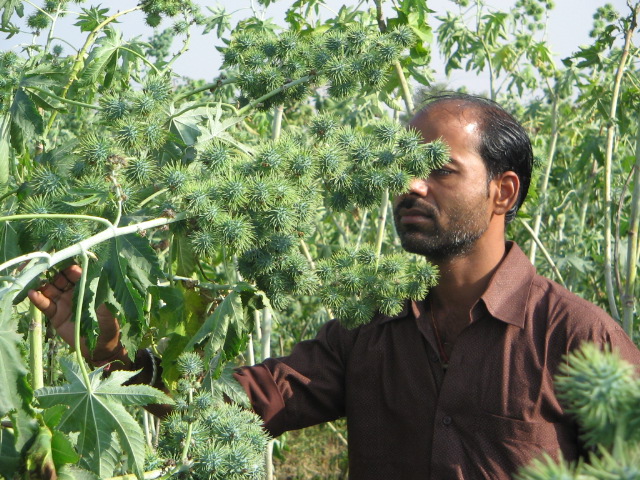
Through its CBMAX9 improved seed product line, ABC provides growers the highest yielding, most uniform and profitable Castor in the world. Improved seeds result in greater yield, uniformity and vigor while significantly reducing Plantation costs for growers. CBMAX9 improved varieties have been tested and developed for a range of climatic and soil conditions. Through its research and development program, ABC continues to expand the regions for which CBMAX9 improved seeds are available farming in many countries.
The performance of plant varieties and field trials is influenced by the growing environment, which includes climate, day length, soil quality, pests, length of the growing season and crop management practices. The production of commercial-scale quantities of seeds requires the multiplication of the seeds through a succession of plantings and seed harvests The cost-effective production of high-quality high-volume quantities of some of our products depends on our ability to scale our production processes to produce seeds in sufficient quantity to meet demand. Climate Smart Farming: ABC ongoing agronomic support is on line with the FAO theory of Climate Smart agriculture that sustainably increases productivity and resilience to environmental pressures, while at the same time reduces greenhouse gas (GHG) emissions. It is one of the key factors for long-term success. Driven by a philosophy of knowledge sharing and learning by doing, we are able to achieve significant results in this very technical field, while remaining highly resourceful. Our team of biodiesel experts are constantly researching and developing new and efficient solutions for Biodiesel crops across the globe, to design and instill the most suitable General Agricultural Practices (GAP) for each and every part of the world and have introduced Integrated Fuel Farming Management System (IFF) which serves as a set of practical ground rules. These continue to prove significantly effective in obtaining higher yields while considerably reducing industry-related risks… more Biodiesel Crops Starter Kits: we have developed Agricultural Extension Kit for various nonfood oil crops just to enable new grower to start it in a sustainable manner.. MORE at We at ABC have developed Crop specific Safe Care Technology with reference to practice of modern techniques coupled with scientific management. This will help getting more yield of better quality resulting into better revenue and profit. Moreover, for individual biodiesel crops we have complied a perfect set of publications which are the most important tools which you should have if you are going to take up the Biodiesel Project. Our Global Technology Platform We develop low-input dedicated energy crops capable of producing high yields per acre using innovative plant breeding. By developing these types of crops, we enable the scalable, sustainable and economic production of biodiesel. We provide crop cultivation, crop harvesting, crushing and refinery construction state of Art technology Our integrated technology platforms are a combination of existing genetic assets biotechnology and bioinformatics. Integration of these platforms allows us to develop and commercialize new products from them. This combination of assets and research and development capability enables us to provide more fuel crops. Our early entry into the energy crop industry has allowed us to acquire access to valuable germplasm through strategic collaborations with leading institutions. High yielding varieties We have a number of genotypes that have been shown to substantially increase oil yield and seeds yield per plant. We are currently field-trialing of these selected genotype in Jatropha, Pongamia,Moringa and in Simarouba. Nitrogen Use Efficiency We have developed the technology that increase seed yield under normal and reduced nitrogen fertilizer conditions. In field trials, we have recorded steady yields on significantly less nitrogen fertilizer than normally used. Water Use Efficiency and Drought Tolerance Our technology allows plants to use water more efficiently and/or recover from water deficits more readily. We are currently field-testing water use efficiency and drought tolerance; this trait could provide greater yield stability for rain-fed crops as well as expand the geographic range where economic yields can be obtained. Salt Tolerance We have developed crops which can tolerate salty soil and enhanced recovery to both acute and prolonged salt stress. Altered Flower Development We are pursuing multiple approaches to regulate flower development for the purpose of increasing seeds, as well as rendering plants resistant to fungal diseases that infect flowers. KEY STRATEGIES to SUCCESSFUL JATROPHA INVESTMENTS As Jatropha and other non-food oil crops are poised on the cusp of commercialization, Jatropha investors have stepped up their efforts to develop a viable source of Biodiesel, and some are already well on the road to success. However, with so many new projects coming up, and a lack of understanding of the Jatropha Curcas Plant and reliable information; lack of QPM inputs; lack of Best Agricultural Practices and expertise & poor management techniques ; many projects are only achieving mediocre results. Therefore, while Jatropha holds a great deal of potential as a biodiesel feedstock, it is also important to acknowledge many hurdles must be overcome before the crop can become economically viable in most parts of the world. The key strategies planning, methods and technologies are very essential for Successful Implementation & execution of a large scale Jatropha Project with Maximum ROI through Improved Agronomy. After having specialized in the field of creation of Failsafe Fuel Farm with experiences and expertise ABC has drawn a set of Key Strategies to Successful Jatropha/other crops Investments…. Read more
OUR IPR SERVICES Failsafe Fuel Farm
JAMIN™ and JMZ™ : JATROPHA GROWING MEDIA FOR MAX YIELDS: We have developed enhanced Biological input management system to ensure Crop revenues higher, Revitalizes the soil, Improves consistent crop quality, Reduces crop loss and above all :Reduce your Environmental Foot Print. The impact of biological agri-inputs on growth and yields of Jatropha Curcas and other oil crops. We have developed enhanced Nonfood Biodiesel crops Specific Biological Inputs system with Brand name JAMINÔ and JMZÔ with Vesicular arbuscular mycorrhiza, Biopesticides, Organic nutrients based on Protein hydrolysates, application of which shall ensure early initiation of flowering and fruiting and the ratio of female flowers shall be increased. The number of flowering bunches per branch and total number of bunches per plant also be increased. The number of fruit bunches per branch, and the total number of bunches per tree also be increased. The size of fruits and the weight of dried seeds were also increased. These impacts were mainly due to the increase in root size, colonization of roots by mycorrhiza that increased the availability of moisture and nutrients from soil. The balanced nutrition also plays an important role. These practices have been used for plantations very successfully by us. Therefore for Successful Implementation of Jatropha and other nonfood oil crops projects with Integration above Key-Strategies you need an authoritative agency able to provide knowledge, expertise and technology for the predicted Sustainability while maximizing Project ROI through Improved Agronomy. And ABC is competent enough to be become your knowledge & Technology provider To engineer and execute Jatropha energy farm from ground zero to harvesting stage we have developed a set of enhanced services with access to our own supply chain intellectual property rights (IPR) and exclusive expertise with technological background and experiences in the field for creation Failsafe Energy Farms to implement project through our level of competence and technology. Our scope of the Project task may cover a variety of activities viz: Setting up of Plantations from Ground Zero to Harvesting Stage just to ensure "FAILSAFE FUEL FARM"
So while Jatropha agriculture continues to be a new and exciting alternative energy source, and the world continues to watch its development closely, there are still many misnomers about where it should be grown, how to grow it and what resources the plant needs to achieve commercially productive yields. ABC to provide the right steps to start the successful business ensuring that this crop is planted in the right way and with due cares to what’s possible in terms of sustainable farming techniques. Based on its proprietary knowledge plant science expertise enhanced technology and extensive experience and by integrating technical and managerial issues ABC has developed Jatropha Agricultural Training package to deliver Competencies through Qualified trainers with a practical 'hands on' approach ABC is the Global Consultant in the field of Biodiesel Project establishment providing consultancy at every stage of the project right from soil to preparation of complete plantation management and technical plan to plantation techniques/plantation execution and Setting up of Plant for Bio-Fuel including all plant & machinery required with all our best of potentiality and expertise. A feasibility study and a business plan are essential steps in financing and developing a successful biodiesel business. CJP can help clients identify the needs, opportunities and solutions of their local, regional and national markets. By identifying these needs and providing management direction, CJP can help clients obtain financing in order to develop and manage an effective and successful biodiesel facility. The most critical component of any business plan is the pro forma, an educated view or projection of what the performance of a company is capable of, given a specific set of assumptions and conditions. ABC has been involved in identifying these needs for specific projects for a number of years and can help develop a realistic and obtainable. Performing the right kind of analysis, using up-to-date information, and using the most complete detailed evaluation will save time and money for your project. ABC provides all aspects of feasibility analysis and business development including assessments of the following: crop production, crushing, coproduct markets, feedstock acquisition and contracting, technology analysis, risk analysis specific to biodiesel technology, feedstock, markets, and general project risks, market and financial analysis.We have just updated Enhanced Economics & better break-even for following Pongamia biodiesel business plan 10,000 ha Moringa biodiesel business plan 10,000 ha Mahua biodiesel business plan 10,000 ha Calophyllum inophyllum biodiesel business plan 10,000 ha ABC can offer the type of consulting that only numerous years of leadership in the small to mid-size biodiesel market can provide at an affordable price….. Read more and important Our Global Knowledge Platform Our crops are new and most growers will require substantial instruction to successfully establish, grow and harvest crops grown from our seeds. As part of our product development activities and customer support, we provide agricultural producers and biodiesel procurers with information and protocols regarding the establishment, management, harvest, transportation and storage of our energy crops for use in biodiesel. In addition to seed selections, such crop management recommendations may include equipment selection, planting and harvest timing, application of crop protection chemicals or herbicides and storage systems. To serve as Global Knowledge Platform for a Sustainable Future, Biodiesel Business Academy© has been established Biodiesel Business Academy© We at ABC have highest priority to contribute to the transition to a sustainable society through social, economic and environmental development. Sustainable development is a fundamental aspect of our strategic plan as to create Knowledge for a Sustainable Future ABC has the privilege to provide most authoritative Knowledge platform known for Development of Sustainable Non-Food Oil Crop Projects, Programmes and Priorities to Feed Biodiesel Industry Worldwide and has established the Biodiesel Business AcademyÔ (BBA) to provide quality, impartial, informative and enjoyable advanced level training with enhanced technology in the field of Biodiesel production. The BBA delivers Training to international and national participants/professionals of green energy industry to increase and distribute knowledge and skills. I am attaching broachers detailing our programs and priorities. We provide Training to the participants in all matters, to successfully plant and harvest Biodiesel crops and process to produce biodiesel including how to plant, when to plant, when to harvest, who to extract oil and make biodiesel etc... We cover the full range of topics on agronomy, farming of various biodiesel feedstocks including manufacturing bio-oil/biodiesel, sustainable business planning, clean energy technology and corporate carbon reduction etc. We, at BBA believe that biodiesel can reduce dependence on petroleum, help address climate change and boost domestic economies.Biodiesel from a variety of feedstocks can meet contemporary needs for environmental stewardship, economic prosperity, and quality of life without compromising the ability of future generations to meet these needs for them. We are confident that scientific advancements can demonstrate, preserve, and enhance biodiesel's ability to help meet the food, feed, fiber, and energy needs of the future.……Read more
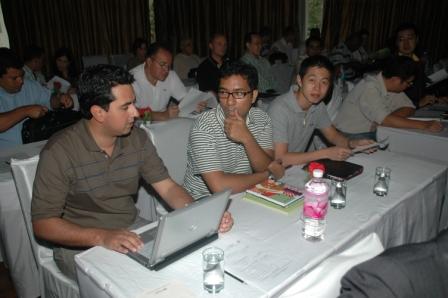
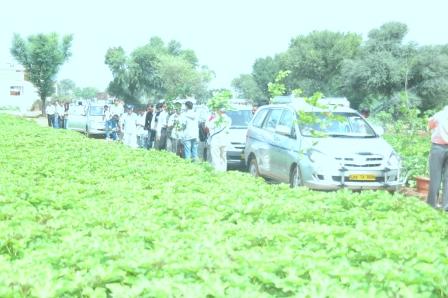
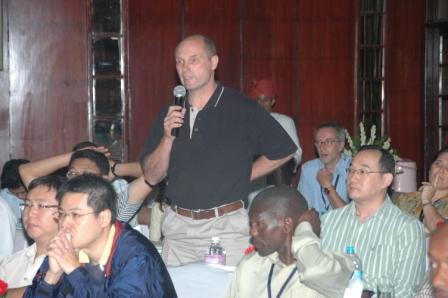
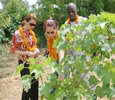
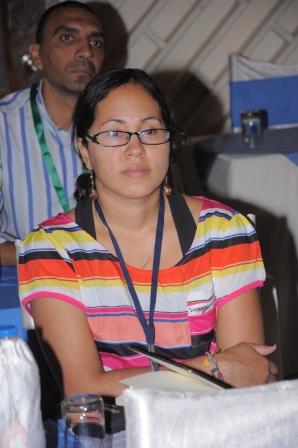
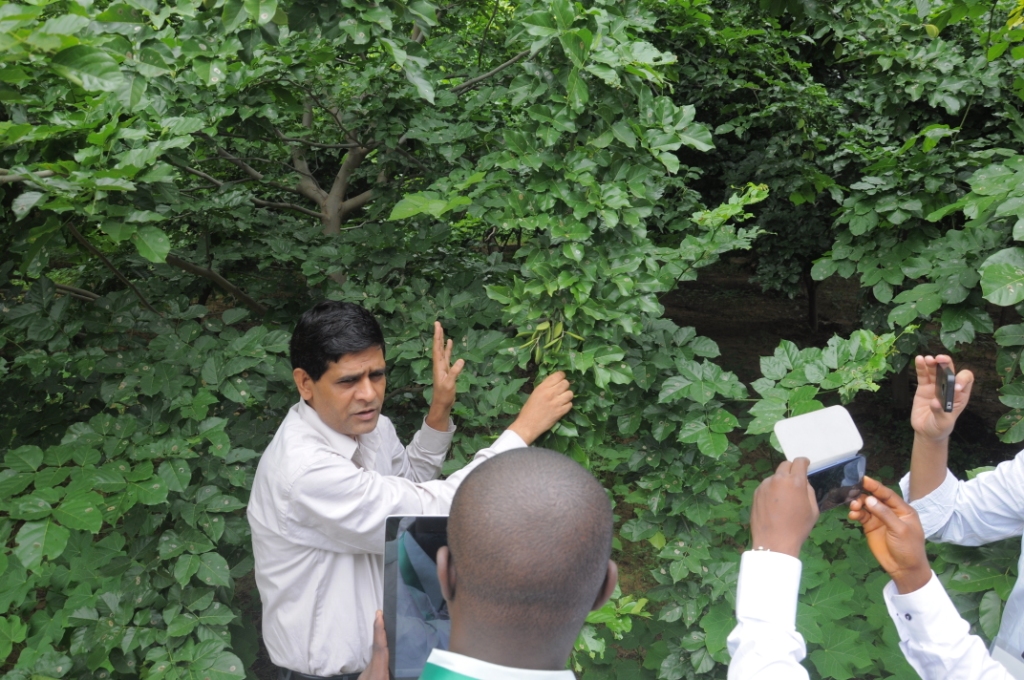
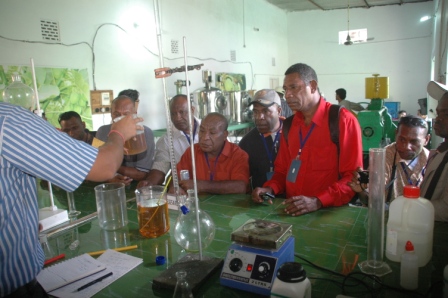
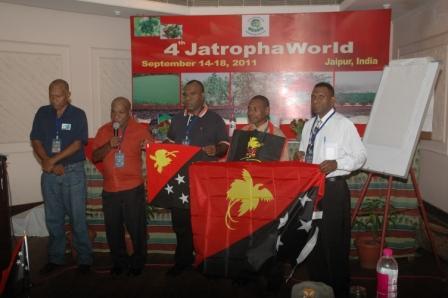
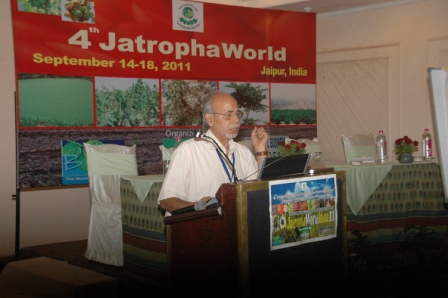
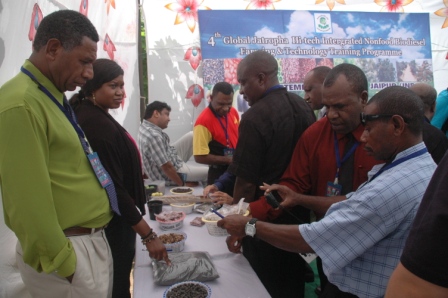
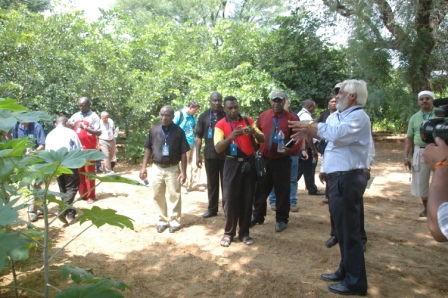
With Jatropha cultivation becoming an intensifying worldwide trend, how to ‘Do It IN Right Way’ dominated the entire training, with discussions centering on the best practices in Jatropha for maximum returns. All the Trainees who attended were glad to have had the opportunity to take their learning beyond the air-conditioned comfort of the conference room, and out into the actual field where they were able to see, touch, feel and do Jatropha planting first-hand. Some of the countries attended the global Programme are Angola, Algeria Argentina , Australia , Bangladesh , Belize, Burundi, Brazil, Cambodia , Canada, China , Colombia, Costa Rica , Ethiopia , Equator, Egypt, , , France , Germany, Ghana, Haiti, Hong Kong, Honduras , India, Iran, Ireland, Indonesia , Italy, Ivory Coast, Kenya , Lao PDR ,Libya, Mauritania, Morocco, Malaysia, Mexico,. New Zealand, Nigeria, Niger, Portugal , Peru, Pappua new Guinea, Singapore, Slovenia, Senegal, South Africa, Spain, Sri Lanka, Singapore, Switzerland , Spain, Tunisia, Thailand , Togo, Turkey, UK, USA, Uganda, Vietnam Yaman And Zambia.
7th Biodiesel CropSphere 2020 - Global Integrated Nonfood Biodiesel Farming & Technology Training Programme which is being held August 25-29, 2020
Secure your registration for 7th 5-day Global Jatropha 3.0 Integrated Nonfood Biodiesel Farming & Technology Training Programme in India from August 25-29, 2020 today as seats are limited. For complete details and registration, kindly visit GLOBAL TRAINING PAGE or mail to Director (Training Division):
7th Biodiesel CropSphere 2020 to Highlight on Genetics Agronomics and Horticulture Practices in Sustainable Jatropha Energy Farms
JatrophaWorld 2020 will showcase agricultural advancement to grow the jatropha and other nonfood oil crops effectively with proper resources i.e. balancing resources to end up with a sustainable long-term solution without harming the environment
7th Biodiesel CropSphere 2020 -Jatrophaworld 2020 to highlight ABC’s Biological Inputs to Enhance Energy Farms Profitability We have developed a truly biologically-based Crop Management System for biodiesel crop on the basis Good Agricultural Practices with access to our own supply chain intellectual property rights (IPR) and exclusive expertise with technological background and experiences in the field for creation Failsafe Fuel Farm which can reduce consumption of fertilizer, pesticides and irrigation to a great extent. Emergence of the enhanced Biological input management system may change the entire scenario of the biodiesel industry and shall provide Crop revenues higher, Revitalizes the soil, Improves consistent crop quality, Reduces crop loss and above all :Reduce your Environmental Foot Print. ABC’S Next 7th Biodiesel CropSphere 2020, the 7th Global Jatropha Hi-tech Integrated Nonfood Biodiesel Farming & Technology Training Programme is set to introduce you the IMPACT OF BIOLOGICAL AGRI-INPUTS ON GROWTH AND YIELDS OF JATROPHA CURCAS
7th Biodiesel CropSphere 2020 Presents Great Variety Of Potential Biodiesel Feedstocks Biodiesel CropSphere promises to have something for everyone interested in developing, growing and utilizing nonfood feedstock for the production of biodiesel. The 7th Global Hi-tech Integrated Nonfood Biodiesel Farming & Technology Training Programme which is being held August 2020 at Jaipur, India , is mostly designed to educate all stakeholders about critical issue of availability of right feedstock at right cost to make biodiesel a long-term business opportunity. Biodiesel CropSphere will showcase agricultural advancement to grow the jatropha and other nonfood oil crops effectively with proper resources i.e. balancing resources to end up with a sustainable long-term solution without harming the environment. The focus of the programme shall remain on three major thrust areas—genetics, agronomics and horticulture practices—so the plant will grow with optimal productivity. While agronomic work is an important first step in the development of any new crop, for new oilseeds to reach commercialization, several other factors need to be addressed. With any of these crops, there is definitely an education curve for producers to be able to understand how it fits into their rotation The 7th Biodiesel CropSphere 2020 shall highlight that how scientific selection of site and superior seed strain can ensure a successful Fuel Farms and can meet all the three criteria any environmentally sustainable fuel must meet. These are social, technical and commercial. The invaluable insights provided by experts/scientists will help our trainees to better understand the sustainability of this potential jet fuel source
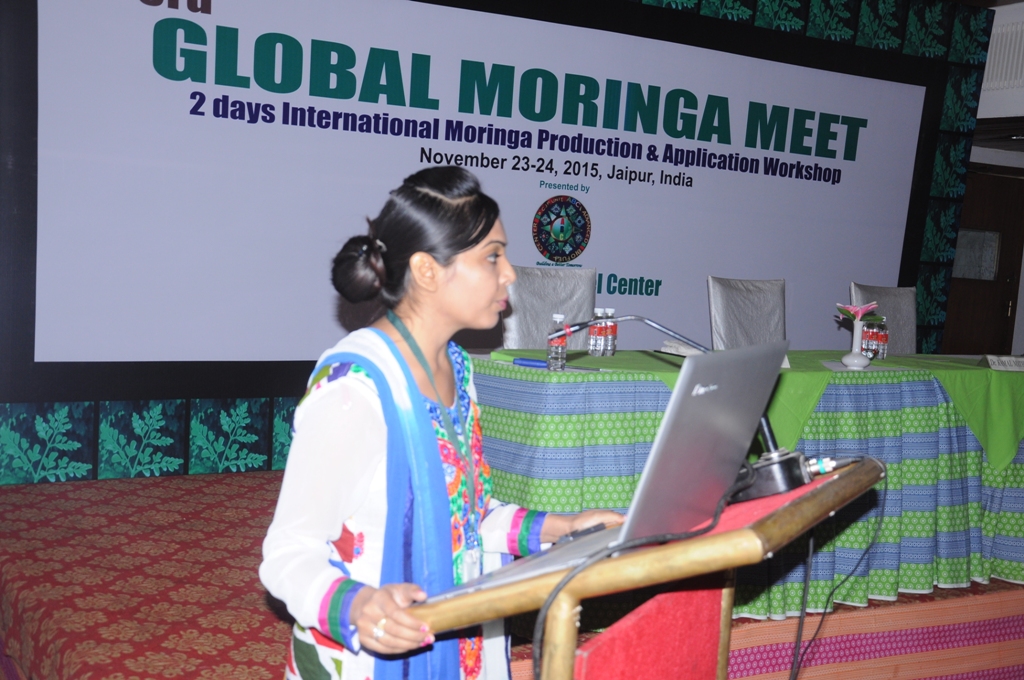
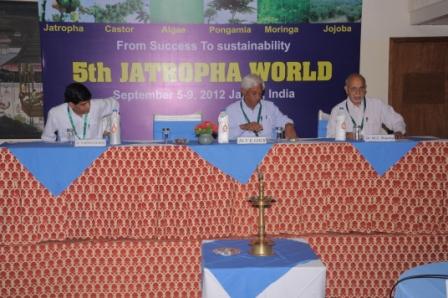
Farmers, growers and project developers today, both those in existing businesses and new entrants, live in an environment where they by necessity have to keep an eye on new opportunities. As well, diversification of cropping opportunities, within the limits of good business sense, provides an essential part of risk management in new Biodiesel feedstock farming. Undertaking the research and supporting industries searching for new products is only the first stage of ABC’s work. Unless the work is communicated to the widest possible audience the potential of these Biodiesel Crops will never be fully realized. That is why ABC is organizing Global JatrophaWorld Programme to bring together the expertise and brightest brains to provide the information required for those who want to know more about 2nd generation biodiesel crops. ABC’s Programme is aimed at consolidating much of the recent research information into a easy to learn format for those searching for the latest information on Biodiesel Crops. I am sure it will prove to be as valuable to both potential and existing farmers, growers and project developers We are pleased to announce dates of following Global Programme Global Moringa Meet 2021 This " nonfood biodiesel” is going to happen. We know there are a lot of farmers, entrepreneurs, and investors reading this who can cash in on this biodiesel craze. They are already doing it big time in Europe so it's just a matter of time before it happen worldwide using Jatropha and other nonfood oils to make biodiesel. This industry is going to grow very quickly - start planting Jatropha TODAY and then start making biodiesel to produce/generate your own fuel/electricity/power. With above steps —government support, scientific research, new funding, and effective project management—we can make significant progress in the near term to address the climate challenge and fossil fuel crisis through growing green energy from non-food sources. After having gone through the site you shall be able to know the basic Requirements for an effective energy plantation project. Any failure to meet out above, may lead to a disaster Yes, there is one more reason why there may be a disaster in the waiting. Now that you own the asset, you don't know what to do with it because you did not have a plan about the asset...a perfect business plan is absolute The Whole World Biodiesel Industry is becoming Jatropha; non-food oil -centric and not just the developing countries want to grow Jatropha and nonfood biodiesel crops with ABC’s integration; American companies want to do business with non-food oil Jatropha and others and with CJP’s association, EU companies want to do the same Because ABC is well positioned to play a leading role in the commercialization of green oil plantation and in sustainable growth in the production of biodiesel and environmental commodities. ABC has extensive on the ground experience in project implementation. The ABC has also strategically attracted and employed market leader executives to expand its management capabilities. ABC can provide the required technical expertise, management capacity, technologies and commercial focus to support widespread green fuel operations. We will ensure that our operations are consistent with our values
We place integrity, trust and respect at the core of all we do. What need to do to venture into the growing business …? Just need a proactive approach. What one needs to do is to create setting up a successful Jatropha Plantation...?... Just ABC’s integration ABC is getting globally integrated in a very different way with all stakeholders. ABC's global integration is through IPR Knowledge, Strategic Plan to apply our tested and proven Technology and applied Methodology and approach to achieve the aimed objectives i.e. development of FAILSAFE JATROPHA FUEL BUSINESS You need the best and we deliver the best
With best regards, CEO CONTACT:- ADVANCED BIOFUEL CENTER http://www.jatrophabiodiesel.org
|
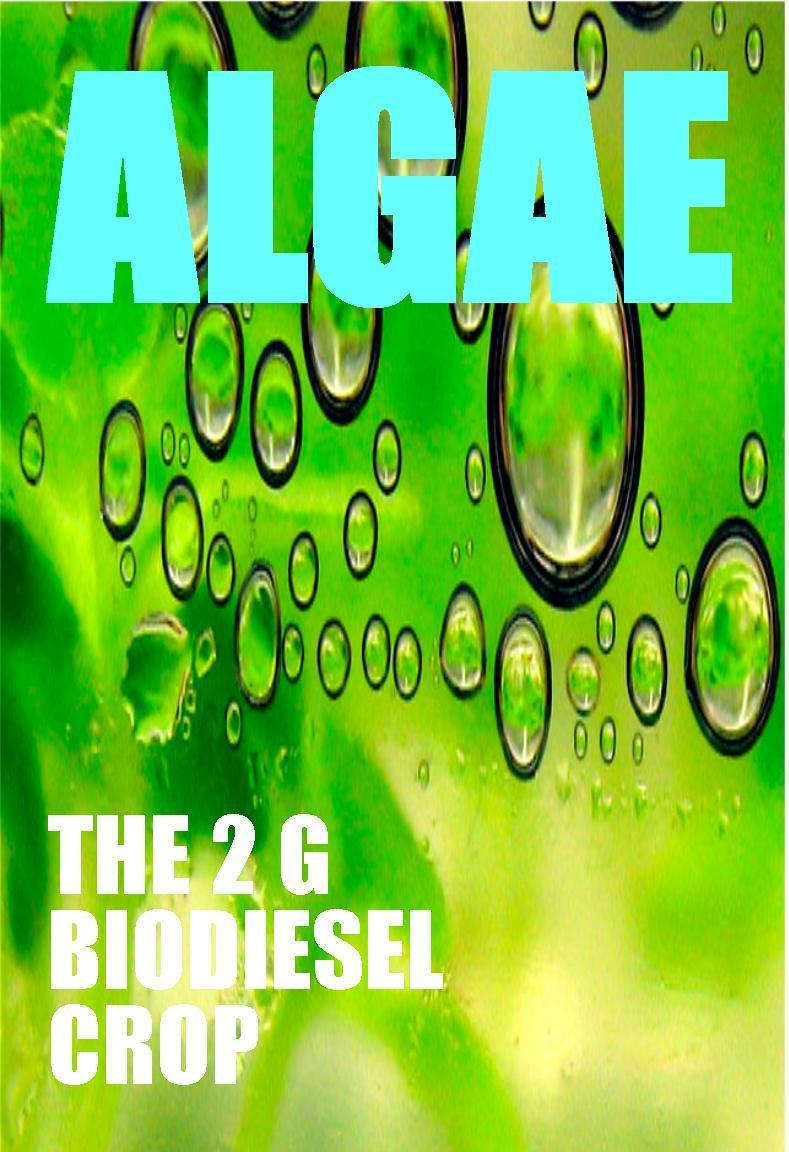
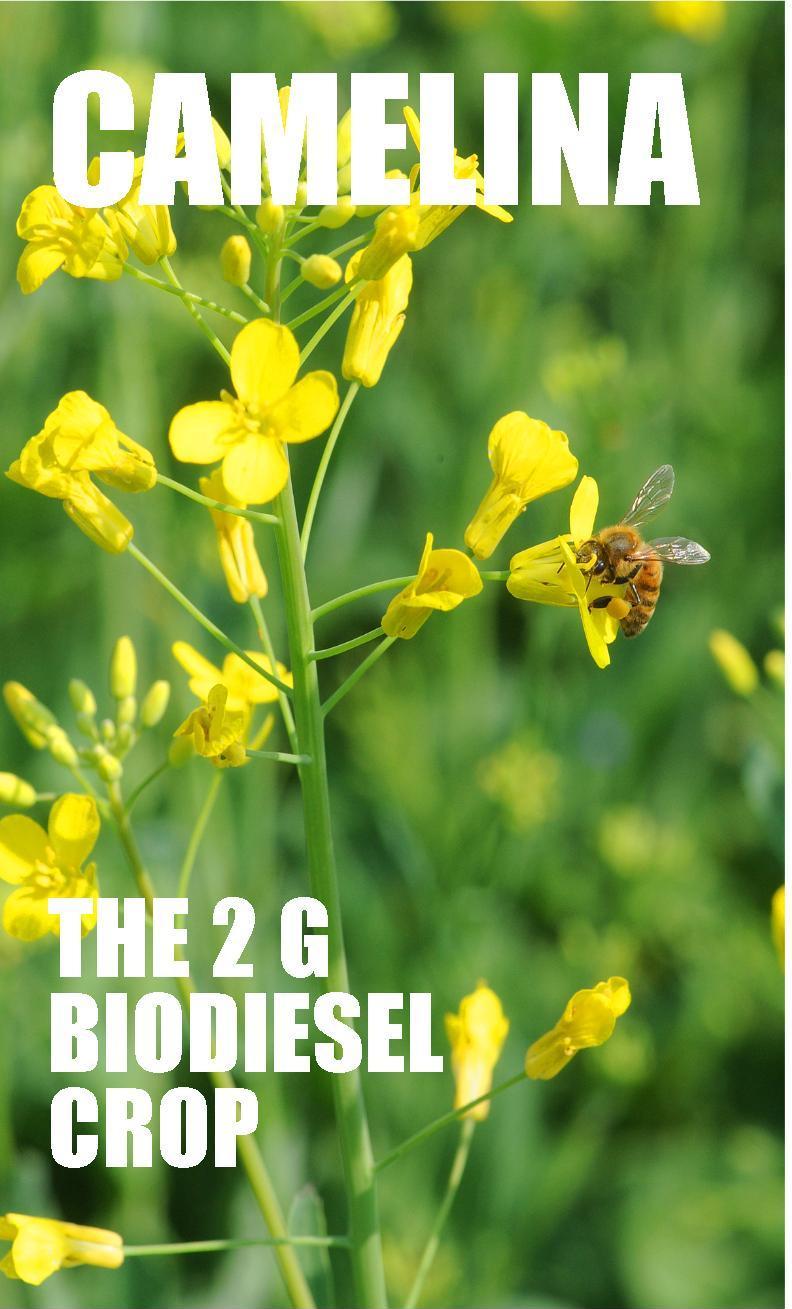

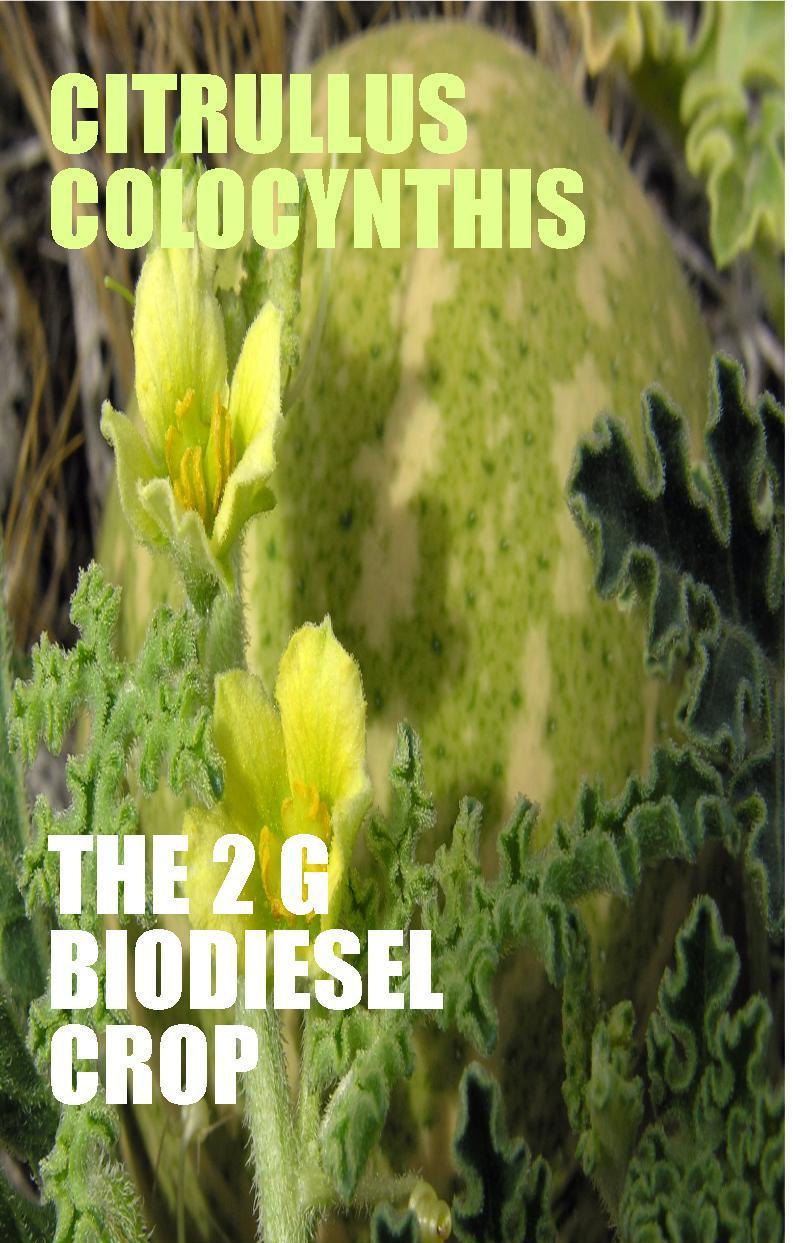
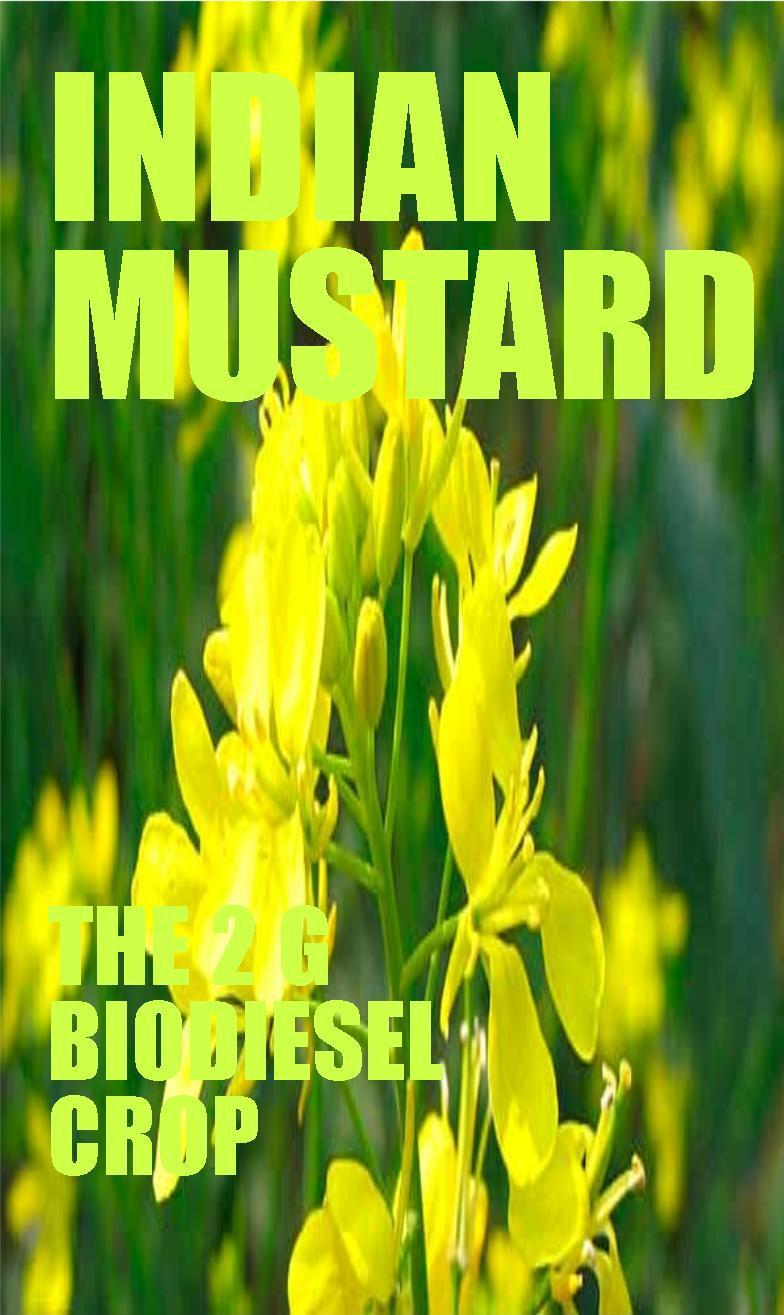
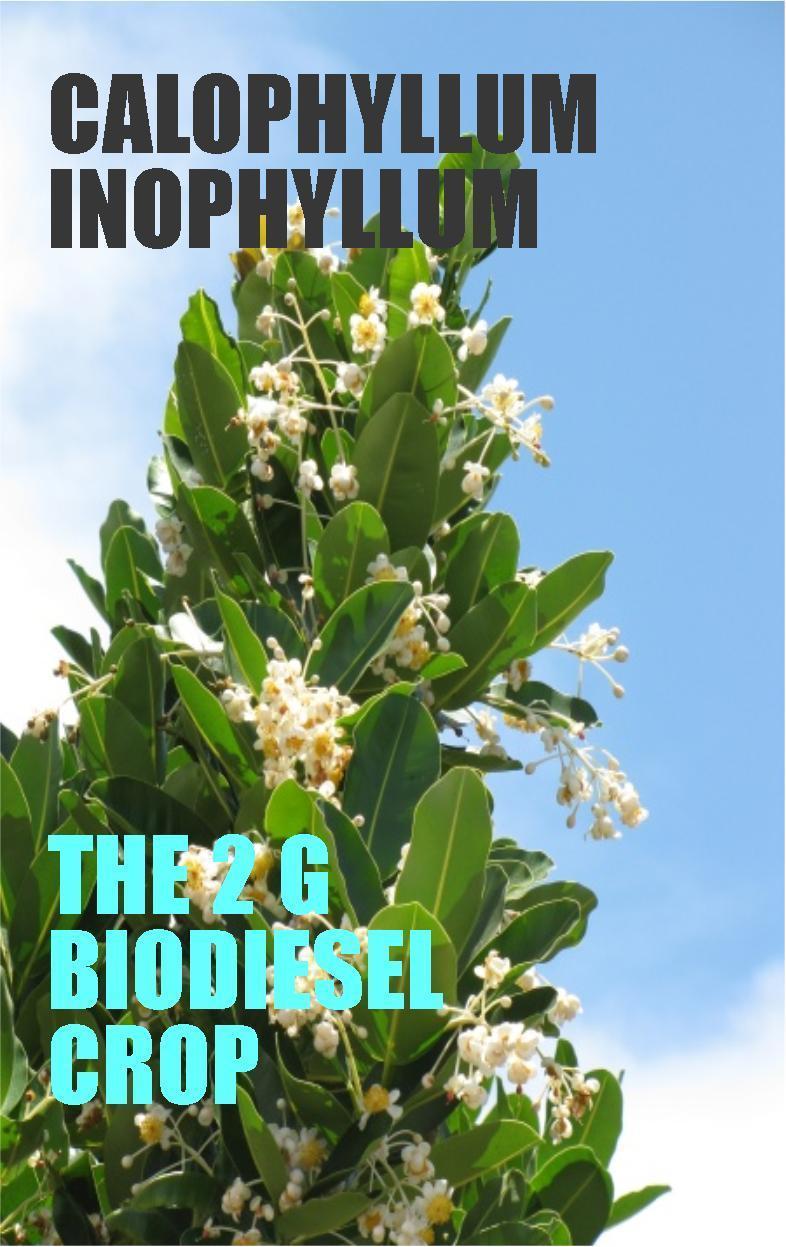

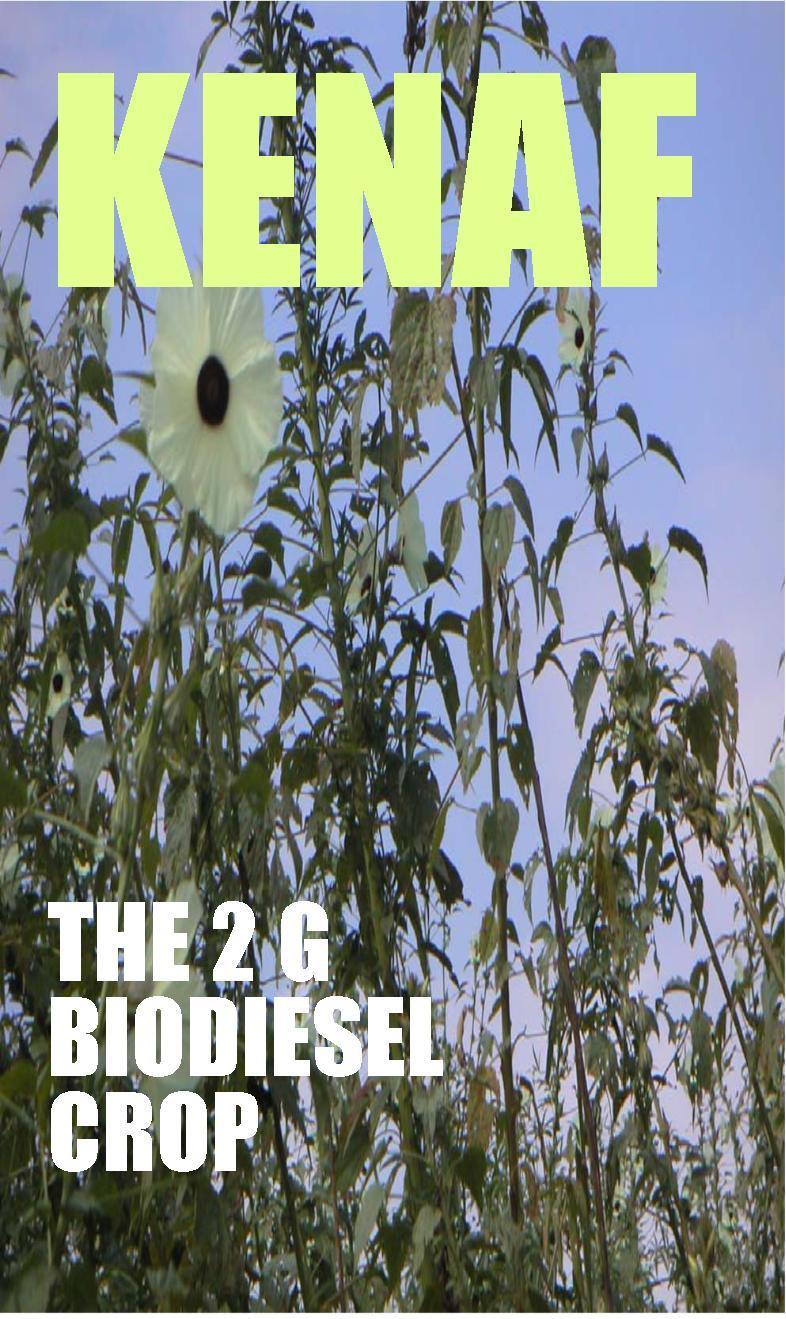
 Around the world, competition for fossil fuel reserves and growing concern for the environment have given rise to increased demand for bio-diesel crops. This represents a major business opportunity. But there are still challenges to overcome. At ABC, we believe the answer lies in efficiency. We can provide you with everything from initial feasibility studies through to project execution, training, support and crop management technologies. ABC offers to ensure its clients' long term success in the young but rapidly evolving renewable fuels industry. ABC has systematically assembled the resources necessary to facilitate this and to deliver turn-key business solutions.ABC has the Technical knowledge and plant science expertise, process engineering and operational expertise to plan, design and Create Failsafe Fuel Farms; deploy and commission Non-food vegetable oil refining and design and construct biodiesel plants.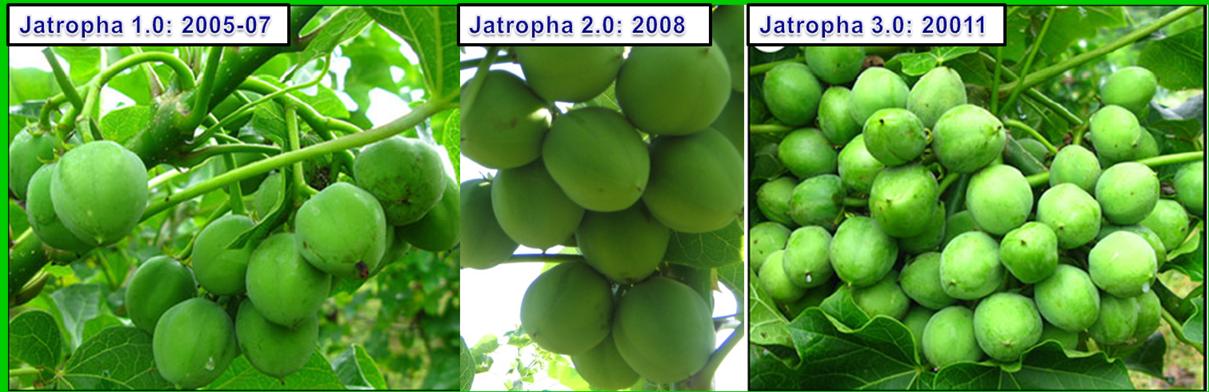



© 2004- 2025 ABC-Advanced Biofuel center ,, All Rights Reserved |