 |
|
|||


 |
|  |











 |
 |  |
|
Fabulous Flax From Father of Medicine to Future Fuel "Wherever flaxseed becomes a regular food item among the people, there will be better health." Mahatma Gandhi
of paints and floor covering (linoleum). The by-product remaining after oil extraction – flaxseed meal or linseed meal – is a source of protein used in livestock feeds, especially in the rations of ruminant animals. The seed is also used in livestock production for its medicinal properties, in particular for its functions as a laxative as well as for improving skin and hair quality.
The superpowers of flaxseeds
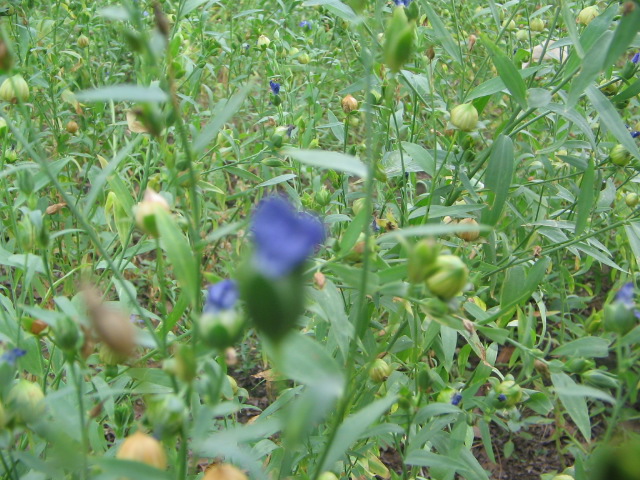
Freshly ground flaxseeds and flaxseed oil are a rich source of essential Polyunsaturated Omega 3 fatty acids. These fatty acids are very unstable. They are one of the first nutrients to be destroyed when foods are processed or sit on supermarket shelves for long periods. Unfortunately, because our food supply has become so industrialized, these important nutrients are deficient in most diets. Omega-3 fatty acids are important because they decrease inflammation in the body, improve cardiovascular function and improve the functioning of every cell in our body by making their outer membranes more flexible. Studies have shown that flaxseeds are protective against bone loss, breast cancer and some menopausal symptoms. A recent study also indicated flaxseeds are beneficial for men too. Men who ate ground flaxseed while awaiting surgery for prostate cancer had slower growing tumors then men who ate no flaxseeds. Flax is a cool temperate annual herb with erect, slender stems, 80-120 cm tall. A cultivated plant in closely spaced field conditions it has little branching except at the apex. Flax is native to the region extending from the eastern Mediterranean to India. It was extensively cultivated in ancient Egypt. Flax is grown both for its seed and for its fibers. Interestingly, the species name usitatissimum means, most useful. Various parts of the plant have been used to make fabric, dye, paper, medicines, fishing nets and soap. In India flax has been under cultivation from pre-historic times. Flax fiber is the earliest vegetable fiber used by man. about 1.6 m ha is under flax cultivation and about 0.4 m mt of seed is produced annually. The plant yields oil of commercial importance. Flax has excellent potential for by-product development, and it has a high level of oil. The seed contains +40% linseed oil which is a good source of biodiesel. Flax is a viable alternative oilseed for use in the biodiesel industry, although the inherent instability of the oil due to the high linolenic acid content is problematic. Modifications to the fatty acid profile and increased yield would make it an ideal candidate for use within the biodiesel industry. In recent years there has been much interest in developing new oilseed crops which could be used in food, and for medicinal and industrial purposes. Flax Seeds are rich in oil and protein and can be utilized on an industrial scale; such oil composition resembles safflower oil. Considering Flax’s potential as an oilseed feedstock for biodiesel CJP has honor to establish this untapped resource as alternative source for Bio- Diesel industry of future. About Flax Botanical Name: Linum usitatissimum L. Family: Linaceae Vernacular:English-Linseed, Flax;Sanskrit-Atasi,Ooma: One heavily branched fine stem • Averages 24-36” tall • Tap root up to 40” long • Lanceloate leaves – Deep green – Slender Botany of the PlantAnnual: stem-cylindric, erect, simple below, 0.6-1.2 m, often solitary corymbosely branched above: leaves narrow sub-3-nerved, linear or lanceolate without stipular glands: flowers 2.5cm diam, in broad cymes: sepals ovate, acuminate, 3-nerved, eglandular, margins ciliate or not, petals blue, styles quite free: stigmas linear-clavate: fruit---is a rounded capsule about one –fourth inch or more in diam, surrounded by the persistant sepals. It possesses 10 locules, each with one seed. The seed is oval, lenticular, and pointed at one end. Its length varies between 4 and 6 mm. and breadth between 2 and 3 mm. Each capsule contains ten seeds. HabitatCommon flax (Linum usitatissimum L.) was one of the first crops domesticated by man. Flax originated in India, and from its hardiness and usefulness, is generally diffused over the globe. Ancient centers of flax-growing are mountainous areas of India and China, In India flax was cultivated as a fiber crop earlier than cotton. As early as in the 4th or 5th millennium B.C. flax was cultivated for its fiber in Mesopotamia, Assyria and Egypt. Wild narrow-leaved flax and semi-cultured procumbent flaxes grow in Transcaucasia. Many monuments of Ancient Egypt reflect cultivation of flax and spinning and weaving of its fibers. In Russia flax has been cultivated since the birth of the Russian nation Growing countries The significant linseed producing countries are Canada ~34% and China ~25.5%, though there is also production in India ~9%, USA ~8%, and Ethiopia ~3.5% and throughout Europe. ClimateFlax requires a temperate, moist climate and good soil to flourish. The quality of flax produced is considerably influenced by the weather conditions during its growth. Flax does adapt itself to different climatic conditions, soils and environment and will grow in any humid climate. For proper cultivation of flax a temperate and equable climate, free from heavy rains and frost is desirable, though frequent moist winds during the growing season are advantageous. In the growing area the minimum temperature during the growing season is about 100 C and maximum temperature is about 380 C. A relative humidity of 60 to 70 per cent at midday is stated to be best for flax, and with this humidity about 6 to 8 inches of rain spread evenly over the three growing months is considered ideal. SOILFlax is not, as some suppose, confined to a narrow range of soil. On the contrary, good crops may be grown on almost any soil that is new to it. The soil which by common consent is voted to be the best adapted to flax culture is a sound, dry, deep, friable loam; a soil of the greatest possible variety of ingredients. Nearly all moderately fertile Boils will produce flax, but a clay loam, the loam predominating, is the very best soil, as that gives the largest quantity, and the best quality of fibre or " Seeds," A sandy loam and clear loam are the next best, sand .Flax likes a deep, fertile, and mellow loam, and on such a soil a heavy crop of both seed and lint may be produced, provided there be not an excess of water in the soil. Cultivation & Management of FLAX CROP For Oil, For Fibre, For both CULTIVATION TECHNOLOGY
The key factors that can influence the oil yield of Flax are:
The key factors governing profitability of large scale production are:
CJP’s Researchers have developed standardized techniques for growing Flax on large scale. CJP ensures Organic Flax cultivation right from the land preparation, crop management to production of end product. CJP Flax Farms are under the vigilant supervision of agronomists, who make sure that the latest and best breed of Flax is being planted. However, we keep a close watch on the research results of Flax breeding by studying thousands of Flax variants, identifying and collecting the best sources of high-quality to guarantee a consistently high yield. Accordingly, the enhanced variety of with regards to seed yield and oil yield and the enhanced Cultivation techniques may ensure proper and profitable production of THE OIL CROP providing early fruition and flowering—CJP’s Flax Cultivation Technology is available at an affordable Price Flax Crop Information Growing & Care Instruction Manual and Monitoring & management system
As all biological organisms require care and attention, the need to draw Growing Instructions was being felt by all concerned Therefore keeping in view Various concerns and problems of a new Grower; CJP being “The Centre of Excellence” has designed Flax Growing & Care Instructions Manual with Monitoring & Management System Diary on the basis of our own tried, tested, developed and experienced Plant Propagation and Cultivation Technologies and Practices to help you grow a Failsafe Flax Farm The Flax Growing & Care Instructions manual provides basic guidance for the project developers to help ensure successful Flax cultivation projects. Proper planning, cultivation and maintenance are the key for growing flourishing plants. Simply putting a plant in the ground is not enough. Careful thought must be given to the purpose of the cultivation, location of the cultivation and how the Flax will be cared for once they are in the ground. A properly planted and maintained plant will grow faster and live longer than one that is incorrectly planted. This booklet is organized as a step-by-step checklist of fundamentals to help you with your Flax cultivation project We have sincerely tried to put all steps in nutshell and hope it will be a useful tool in growing your Biodiesel Plantation Both the Flax publications are available Order Just Know Agricultural Extension Kit
ORDER JUST KNOW 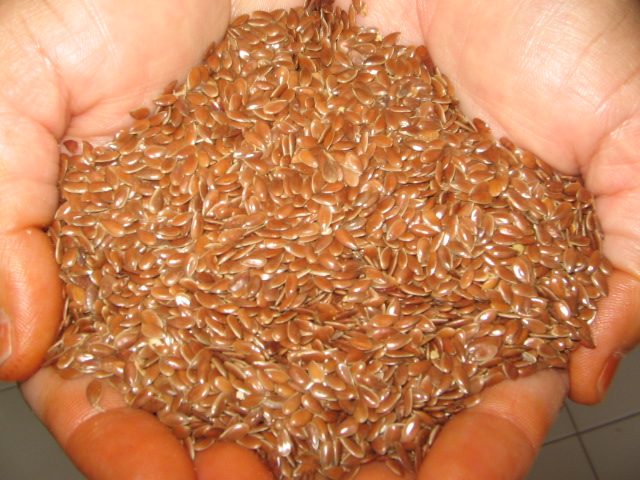
Order Just Know FLAX BUSINESS PLAN Sample/ Ready Built Business Plans Sample/ready built Biodiesel business plans are drawn in universal scenario based on optimum conditions for growing the biodiesel crop worldwide and on crop specific science, agronomy and economy in wider context Sample/readymade business plan are available for 20 hectare, 100 hectare and 500 hectare as per details on page http://www.jatrophaworld.org/biodiesel_business_plan_95.html Flax Feasibility Study Report We recommend carrying out Feasibility Study Report for project size of 5000 hectares or more to determine the land identification and suitability of growing the Flax Customized, Complete & Comprehensive Flax Farming Business Plan
We make the integration of our experience and professional knowledge with your information. We provide in Depth analysis of crop cultivation and crop care part of plan for which we have team of agronomist and plant scientists, and then we have engineers and experts in biodiesel industries to finish the technology and production part of business plan. We have professionals in accounting to complete financial and economics part. CJP can offer the type of consulting that only numerous years of leadership in the biodiesel market can provide at an affordable price.
For detailed Cost-Benefit Analysis of Flax growing and for a detailed quote for a complete and comprehensive Flax Farming Business Plan from Farming to fuel, kindly mail to jatrophaplan@gmail.com For more about flaxseeds, flax cultivation technology, Flax farming business plan mail to Jatrophaplan@gmail.com Or contact Assistant Director, CJP +91 141 2335839
|
 Flaxseed (Linum usitatissiumum) also
known as linseed, is thought to be one of the world’s oldest cultivated crops
with evidence of cultivation dating back thousands of years. The crop is prized
for its fibre and oil. The fibre, obtained from the stocks of the plant, is
used to make fine linen and paper. The oil is used primarily for industrial
purposes. The oil is probably best known for its function in the production
Flaxseed (Linum usitatissiumum) also
known as linseed, is thought to be one of the world’s oldest cultivated crops
with evidence of cultivation dating back thousands of years. The crop is prized
for its fibre and oil. The fibre, obtained from the stocks of the plant, is
used to make fine linen and paper. The oil is used primarily for industrial
purposes. The oil is probably best known for its function in the production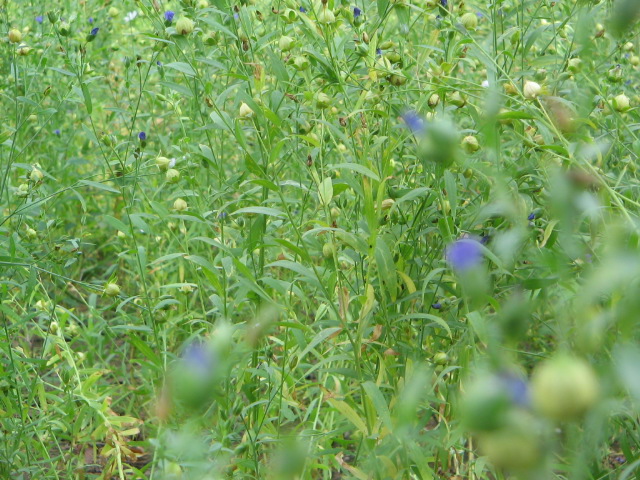 CJP is dedicated to the development
of oil seed bearing trees - non-food multiple vegetable oil plantation and
technologies in order to reduce Dependence on fossil fuels, bring greater
control and security of fuel supply and reduce dangerous climate changing
emissions, including CO2. With years of continuing research, experiments and
trials has provided an adage to find and develop 2nd generation biodiesel
feedstock with low cost input technology. After having a number of successful
field trials CJP has honor to establish Flax - another potential feedstock for
Bio- Diesel industry of future because it could serve as fodder and an oil
source for biodiesel.
CJP is dedicated to the development
of oil seed bearing trees - non-food multiple vegetable oil plantation and
technologies in order to reduce Dependence on fossil fuels, bring greater
control and security of fuel supply and reduce dangerous climate changing
emissions, including CO2. With years of continuing research, experiments and
trials has provided an adage to find and develop 2nd generation biodiesel
feedstock with low cost input technology. After having a number of successful
field trials CJP has honor to establish Flax - another potential feedstock for
Bio- Diesel industry of future because it could serve as fodder and an oil
source for biodiesel.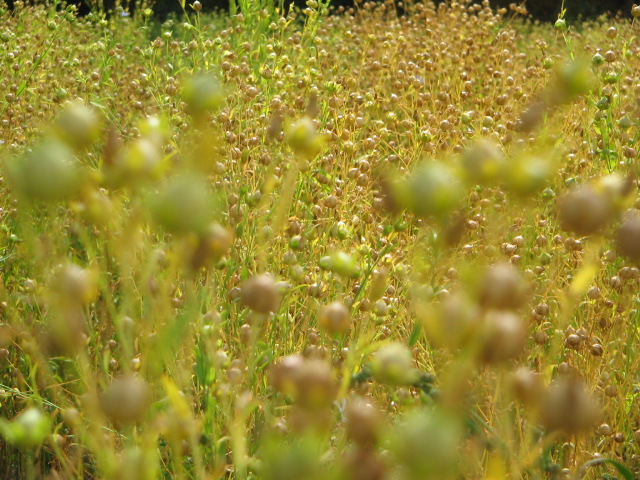 The productive cultivation of
 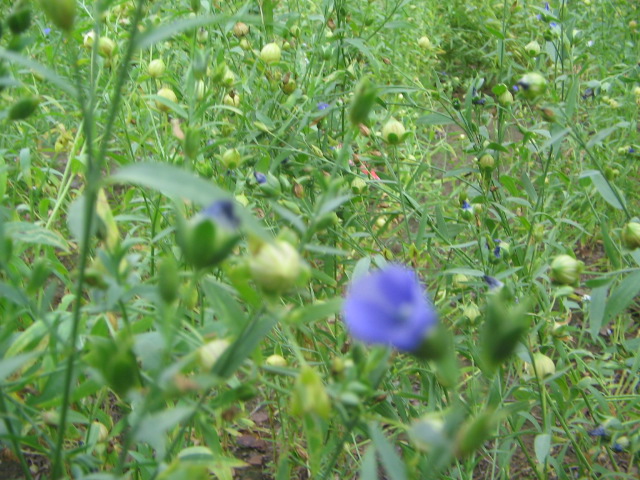 CJP carefully manages Flax cultivation, with advanced crop practices
suitable to local soil, weather, pest, and disease conditions to ensure the
high amount of oil as we have developed enhanced technology with regards to:-
CJP carefully manages Flax cultivation, with advanced crop practices
suitable to local soil, weather, pest, and disease conditions to ensure the
high amount of oil as we have developed enhanced technology with regards to:-
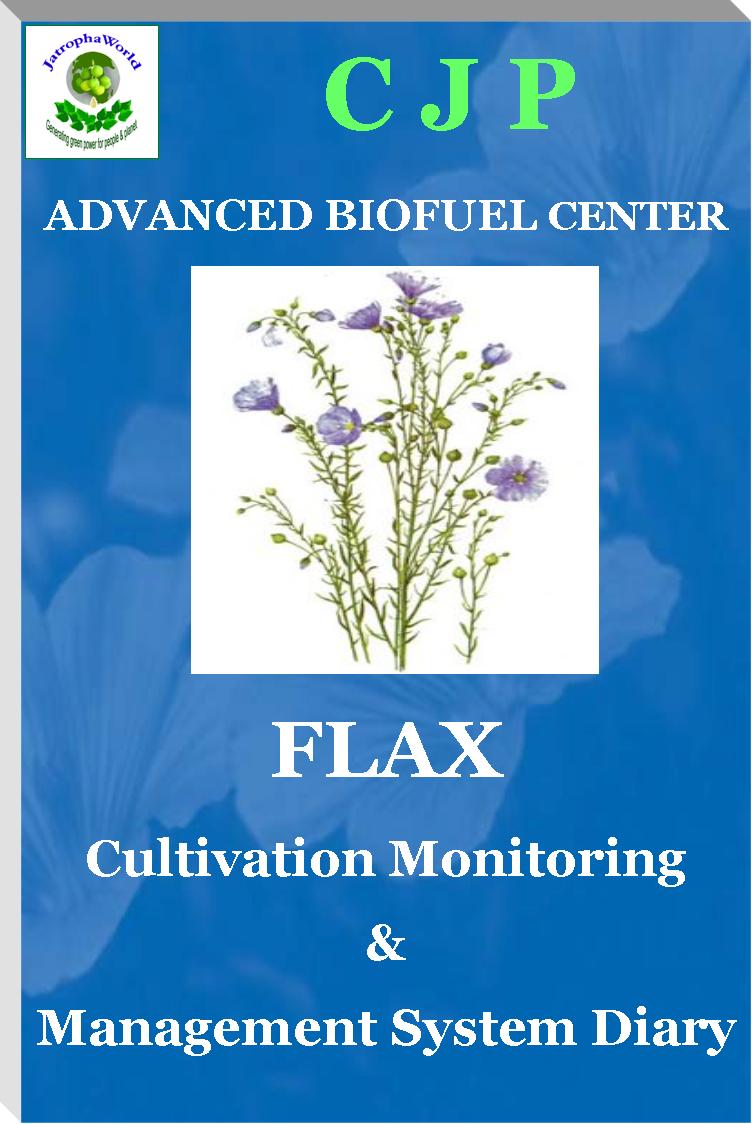 The cultivation, looking after
and harvesting plants is an important factor and it requires a lot of
knowledge, skill and techniques viz: the best cultivation season to make the
plant early matured, then an amount of seeds to be planted, an irrigation
& fertilization method, a control method of weeds , investigate
quality, yield, and degree of occurrence of several troubles .
The cultivation, looking after
and harvesting plants is an important factor and it requires a lot of
knowledge, skill and techniques viz: the best cultivation season to make the
plant early matured, then an amount of seeds to be planted, an irrigation
& fertilization method, a control method of weeds , investigate
quality, yield, and degree of occurrence of several troubles . With its extensive
experiences in the field, enhanced technology, plant science & professional
knowledge, effective consulting service and business intelligence
CJP can clearly understand the business model, products and services,
production, marketing and provides all aspects of feasibility analysis and
business development including assessments of the following: crop production,
crushing, co-product markets, feedstock acquisition and contracting, technology
analysis, risk analysis specific to biodiesel technology, feedstock, markets,
and general project risks, market and financial analysis.
With its extensive
experiences in the field, enhanced technology, plant science & professional
knowledge, effective consulting service and business intelligence
CJP can clearly understand the business model, products and services,
production, marketing and provides all aspects of feasibility analysis and
business development including assessments of the following: crop production,
crushing, co-product markets, feedstock acquisition and contracting, technology
analysis, risk analysis specific to biodiesel technology, feedstock, markets,
and general project risks, market and financial analysis.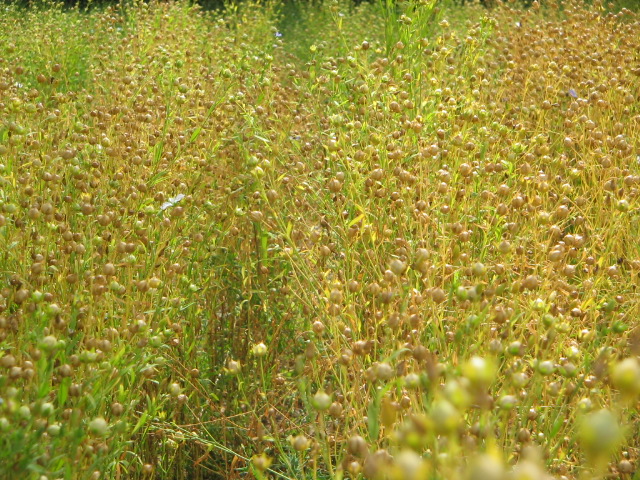 CJP can help clients
identify the needs, opportunities and solutions of their local, regional and
national markets. By identifying these needs and providing management
direction, CJP can help in creating a perfect business plan in order to develop
and manage an effective and successful biodiesel facility. The most critical
component of any business plan is the pro forma, an educated view or projection
of what the performance of a company is capable of, given a specific set of
assumptions and conditions. CJP has been involved in identifying these needs
for specific projects for a number of years and can help develop a realistic
and obtainable:
CJP can help clients
identify the needs, opportunities and solutions of their local, regional and
national markets. By identifying these needs and providing management
direction, CJP can help in creating a perfect business plan in order to develop
and manage an effective and successful biodiesel facility. The most critical
component of any business plan is the pro forma, an educated view or projection
of what the performance of a company is capable of, given a specific set of
assumptions and conditions. CJP has been involved in identifying these needs
for specific projects for a number of years and can help develop a realistic
and obtainable:© 2004- 2025 ABC-Advanced Biofuel center ,, All Rights Reserved |